- Is geothermal practical in upstate New York winters?
- Yes — and arguably more practical here than in milder climates. Air-source heat pumps fight the air temperature, so a 0°F day is hard work for them. A geothermal system exchanges heat with the ground, which sits near 50°F year-round in Monroe County. You get full rated capacity at -10°F outside, the same as you do in October. No backup-heat strip needed for typical Rochester winter conditions.
- How long does a geothermal loop field last?
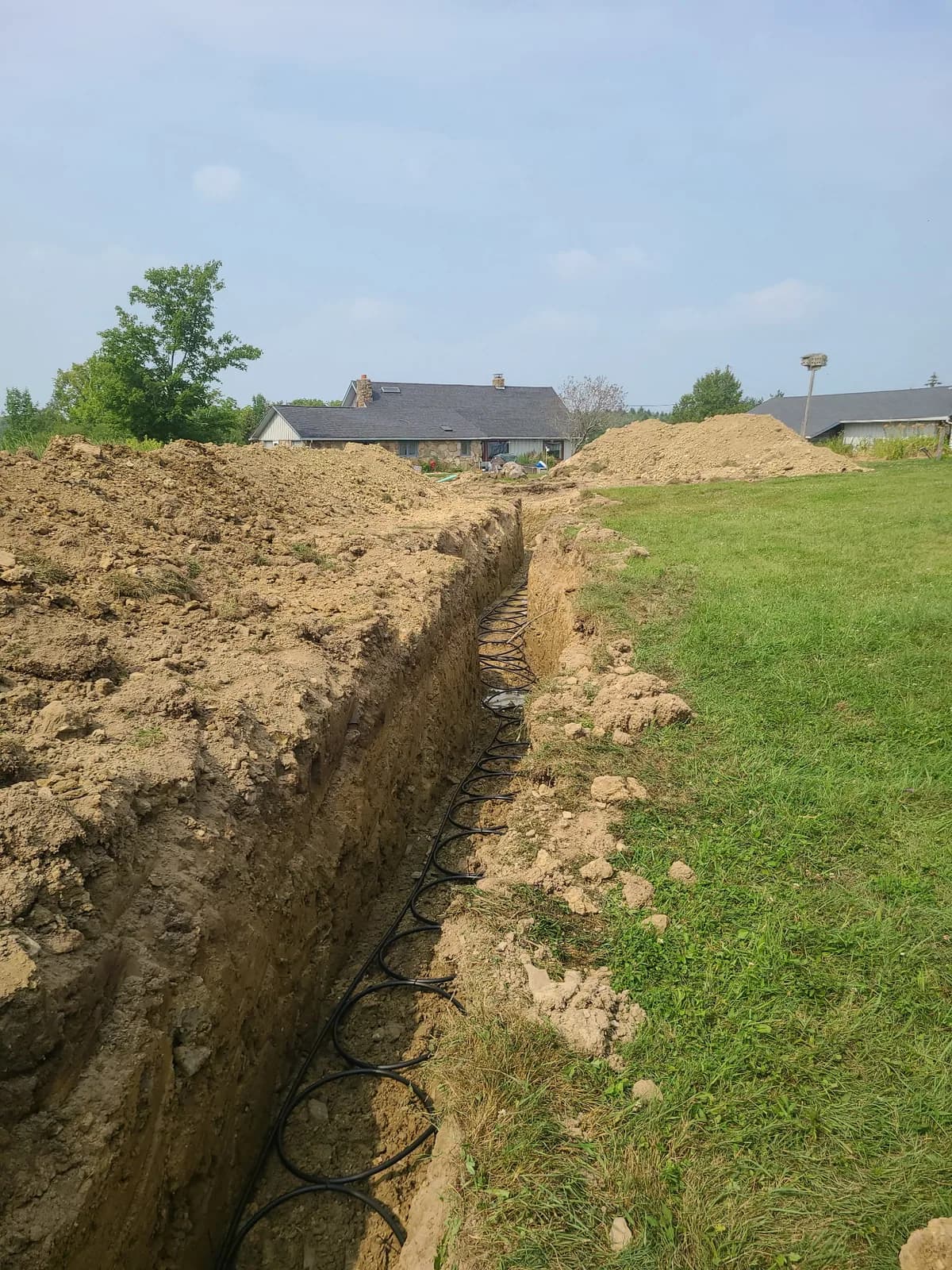
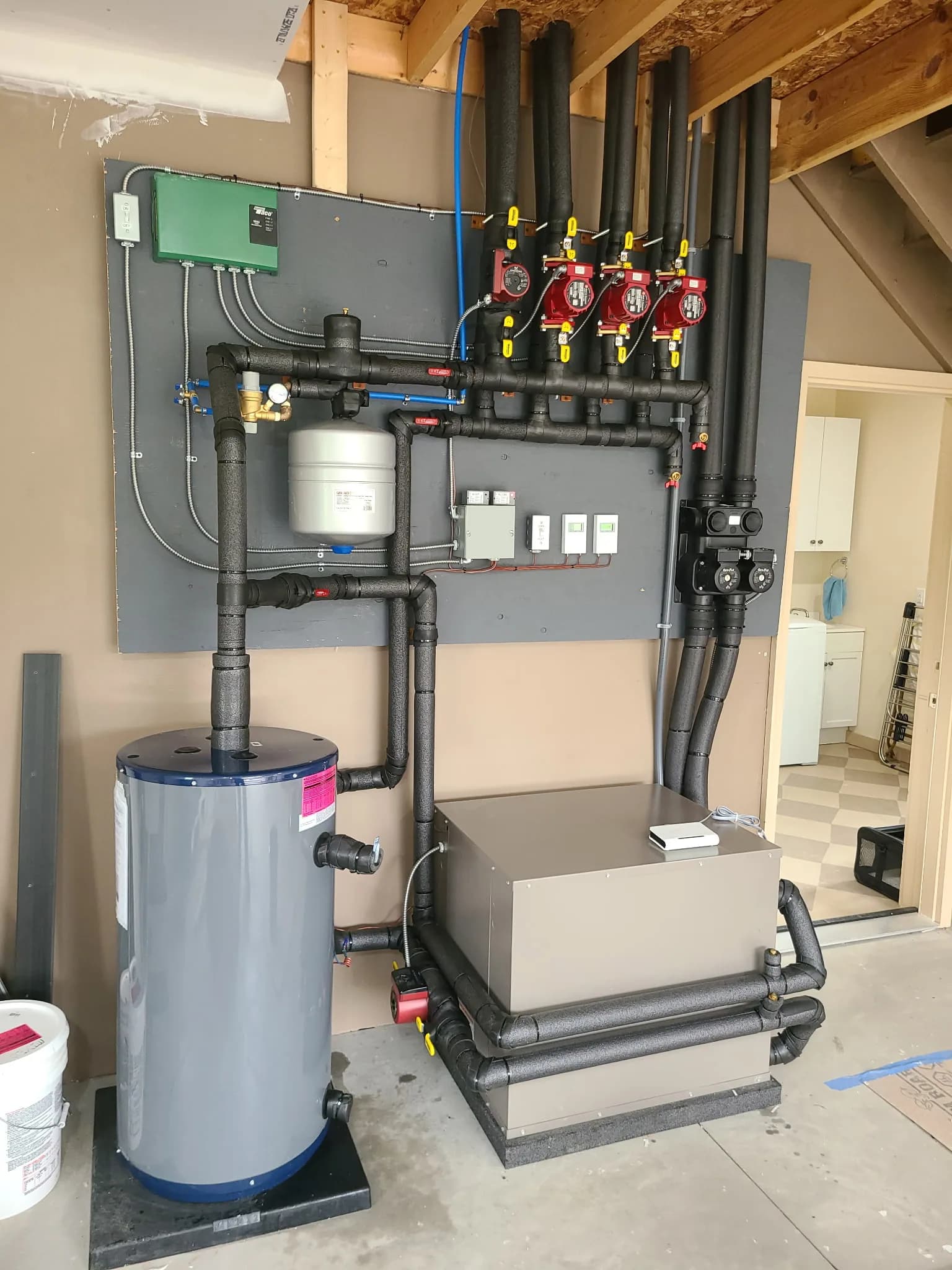
- Properly installed closed-loop fields are rated for 50+ years and routinely outlast the home itself. The loop pipe is high-density polyethylene fused at every joint — there are no mechanical fittings underground to fail. The heat pump unit (the equipment in your mechanical room) typically lasts 20–25 years, comparable to a high-efficiency furnace. So you replace the heat pump once, maybe twice, on the same loop field.
- Does geothermal work during a power outage?
- No — geothermal needs electricity to run the compressor and circulator pumps, same as a furnace needs electricity to run its blower. If you want backup, the typical pairing is a properly sized whole-home generator (we can recommend a Generac integrator) or a smaller battery setup if you mostly want refrigerator + a few zones to stay running. The actual electrical draw of a geothermal system in heating mode is much lower than central air or electric resistance heat, so backup sizing is usually friendlier than people expect.
- What about my existing ductwork?
- Most existing Monroe County homes have ductwork that works fine for geothermal — we use water-to-air heat pump units that connect directly to your supply and return trunks. We do measure static pressure and check duct sizing during the load calc; sometimes we recommend a return-air upgrade or a new supply trunk for a specific room. Homes with hydronic radiators or radiant floor heat use water-to-water units instead, which integrate with your existing distribution.
- How much does a typical geothermal install cost in Monroe County?
- Total install cost depends heavily on loop type (horizontal vs vertical), system size, ductwork or hydronic distribution, and home layout — every quote is custom. The federal 30% tax credit (IRC 25D, locked through 2032) plus NYS Clean Heat rebates substantially reduce the net cost. We give you a written, itemized estimate with rebate guidance built in. No fabricated savings figures, no high-pressure financing pitch — that's not how we work.
- Is the federal geothermal tax credit still active in 2026?
- Yes. The federal 25D Residential Clean Energy Credit covers 30% of geothermal heat pump system costs through 2032. Note: the 25C energy efficiency credit (which covered air-source heat pumps and envelope improvements) expired December 31, 2025. The 25D geothermal credit is separate and remains active — that distinction matters when you compare total cost against an air-source heat pump.
- How long does the install take?
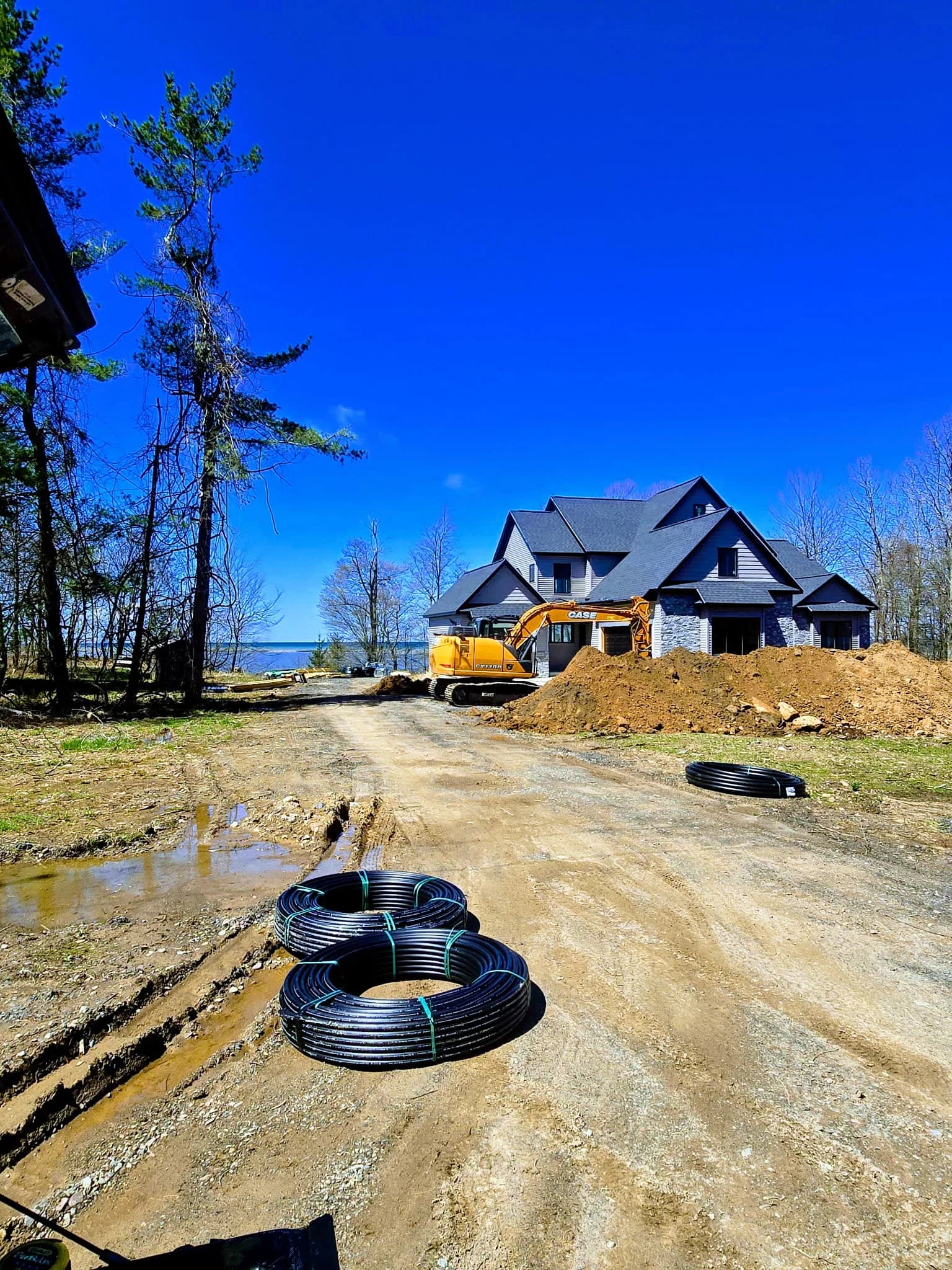
- Typical residential install: 5–8 working days end-to-end. Loop trenching or drilling takes 1–4 days depending on the lot and the loop type. Mechanical room install + commissioning takes 2–3 days. Permits and rebate paperwork run in parallel — we have those queued before we break ground. We schedule installs around weather; we have done loop trenching in February before, but it adds time and we will tell you straight if waiting for spring is the better call.
- How does geothermal compare to a cold-climate heat pump?
- Cold-climate (air-source) heat pumps have closed most of the cold-weather gap that used to make them impractical here — Mitsubishi Hyper-Heat, Bosch IDS, and Carrier Greenspeed all hold real capacity down to 5°F. They install faster, cost less upfront, and qualify for NYS Clean Heat rebates. Geothermal still wins on operating cost (the gap widens as electric rates rise), longevity (50+ year loop), and the federal 25D credit. Our usual rule: if you are staying in the home 10+ years and have the lot for a loop field, geothermal pays back. If you are tighter on budget or moving sooner, a cold-climate heat pump is the right move — and we install both.